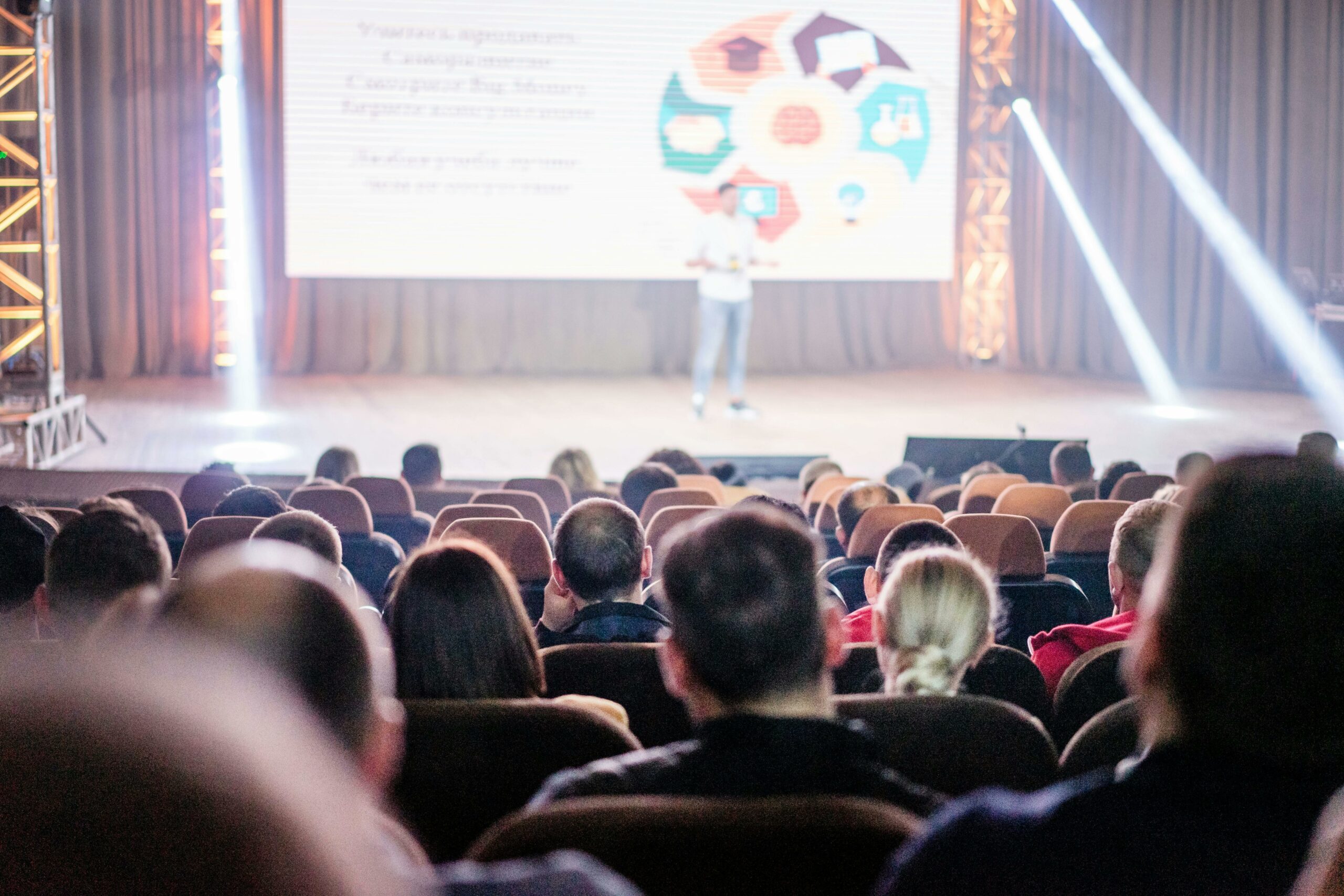
Livestreaming services have emerged as a transformative tool for associations looking to engage their audiences effectively. The importance of integrating livestreaming into association events cannot be overstated. From expanding reach to enhancing member engagement, livestreaming services offer unparalleled opportunities for associations to connect with their communities in real time, regardless of geographical boundaries. This blog explores the critical role of livestreaming services in association events, delving into their benefits, practical applications, and future trends.
The Rise of Livestreaming in Association Events
Livestreaming has transitioned from a niche technology to a mainstream necessity, driven by advancements in internet connectivity, mobile devices, and audience expectations. 91% of businesses use video as a marketing tool, highlighting the growing demand for real-time engagement. For associations, which often rely on events to foster community, share knowledge, and drive membership, livestreaming services provide a cost-effective and scalable solution to meet these goals.
The digital event landscape is shaped by the need for inclusivity, accessibility, and sustainability. Livestreaming services enable associations to host hybrid events—combining in-person and virtual experiences—ensuring that members who cannot attend physically can still participate. This inclusivity is particularly vital for associations with geographically dispersed memberships, such as professional organizations, trade groups, or nonprofit societies.
Key Benefits of Livestreaming Services for Association Events
1. Expanded Global Reach
One of the most significant advantages of livestreaming services is their ability to transcend geographical limitations. Traditional in-person events are often restricted by venue capacity and travel logistics, limiting attendance to those who can physically be present. Livestreaming services, however, allow associations to broadcast events to a global audience, enabling members from different countries and time zones to participate in real time.
For example, a medical association hosting an annual conference can use livestreaming to reach healthcare professionals worldwide, increasing attendance and engagement without the need for costly travel. This global reach not only boosts event participation but also enhances the association’s visibility and influence within its industry.
2. Cost-Effectiveness and Sustainability
Organizing in-person events involves significant expenses, including venue rentals, catering, travel, and accommodations. Livestreaming services drastically reduce these costs by eliminating the need for physical infrastructure. Associations can host virtual or hybrid events with minimal overhead, redirecting savings toward other initiatives, such as member services or advocacy programs.
Moreover, livestreaming aligns with sustainability goals by reducing the carbon footprint associated with travel and event logistics. Virtual events generate between 66% to 98% fewer emissions than their in-person counterpart, making it an eco-conscious choice for associations committed to green practices.
3. Enhanced Member Engagement
Livestreaming services facilitate real-time interaction, fostering a sense of community among association members. Features such as live Q&A sessions, polls, and chat functions allow attendees to engage directly with speakers, panelists, and peers, creating a dynamic and participatory experience. 37% of social media users find live video content the most engaging type of in-feed content, underscoring its effectiveness in capturing audience attention.
For instance, an association hosting a professional development webinar can use livestreaming to conduct interactive workshops, where members submit questions or participate in polls, enhancing their learning experience. This interactivity strengthens member loyalty and encourages ongoing participation in association activities.
4. Content Repurposing and Long-Term Value
Livestreaming services offer the ability to record and archive events, creating a valuable repository of content that can be repurposed for future use. Associations can edit recorded sessions into highlights, share them on social media, or incorporate them into on-demand libraries for members who missed the live event. This extends the lifespan of event content, providing ongoing value to members and attracting new audiences.
For example, a trade association can repurpose keynote speeches from its annual meeting into blog posts, social media clips, or educational resources, maximizing the return on investment for the event. This strategy also boosts the association’s online visibility, as search engines and social media platforms often prioritize live and video content.
5. Data-Driven Insights
Livestreaming platforms provide advanced analytics, offering associations valuable insights into audience behavior. Metrics such as viewer numbers, engagement rates, and demographic data enable event organizers to measure success and refine future strategies. These insights help associations tailor their content to member preferences, improving the relevance and impact of their events.
For instance, an association can analyze which sessions attracted the most viewers or generated the most interaction, using this data to plan future events that align with member interests. This data-driven approach enhances the effectiveness of association events and strengthens member satisfaction.
6. Monetization Opportunities
Livestreaming services open new revenue streams for associations through ticketed virtual events, subscription-based access, or sponsorships. Unlike in-person events, which have a fixed capacity, virtual events can accommodate unlimited attendees, increasing ticket sales potential. Associations can also offer premium content, such as exclusive workshops or networking sessions, to generate additional income.
For example, a nonprofit association can host a fundraising gala via livestreaming, selling virtual tickets to supporters worldwide and featuring sponsored segments to attract corporate partners. These monetization strategies help associations diversify their revenue while maintaining affordability for members.
Practical Applications of Livestreaming for Association Events
Livestreaming services can be applied to various types of association events, each offering unique opportunities to engage members and achieve organizational goals. Here are some practical examples:
1. Annual Conferences and General Meetings
Annual conferences are cornerstone events for many associations, providing opportunities for networking, education, and governance. Livestreaming services enable associations to broadcast keynote speeches, panel discussions, and annual general meetings (AGMs) to virtual attendees, ensuring broader participation. For example, a professional association can stream its AGM to members who cannot travel, allowing them to vote on resolutions or engage in discussions remotely.
2. Professional Development and Training
Associations often provide continuing education or certification programs to support member career growth. Livestreaming services facilitate the delivery of webinars, workshops, and training sessions, making professional development accessible to members worldwide. Interactive features, such as live Q&A or breakout rooms, enhance the learning experience, while recorded sessions can be offered as on-demand courses.
3. Networking and Community Building
Livestreaming services can replicate the networking opportunities of in-person events through virtual meetups, roundtables, or social events. For instance, an association can host a virtual “coffee chat” where members join breakout rooms to discuss industry trends, fostering connections among geographically dispersed members. These events strengthen community ties and reinforce the value of membership.
4. Advocacy and Awareness Campaigns
Associations advocating for policy changes or public awareness can use livestreaming to amplify their message. For example, a health-focused association can stream a panel discussion on emerging public health issues, inviting policymakers, experts, and the public to participate. Livestreaming increases the reach of advocacy campaigns, engaging stakeholders who might not attend in-person events.
5. Fundraising and Gala Events
Fundraising events are critical for nonprofit associations, and livestreaming services make it possible to host virtual galas that attract global supporters. Features like live donation trackers, interactive auctions, or celebrity appearances can enhance the event’s appeal, driving donations and engagement. These events can also be recorded for post-event fundraising campaigns.
Technical Considerations for Successful Livestreaming
To ensure a seamless livestreaming experience, associations must address several technical aspects:
1. Choosing the Right Platform
Selecting a reliable livestreaming platform is critical. Popular options include YouTube Live, Facebook Live, LinkedIn Live, and professional services like Dacast or StreamWorks. Associations should consider factors such as audience size, interactivity features, security, and integration with existing systems (e.g., CRM or LMS platforms). Professional platforms often offer advanced features like low-latency streaming and multi-CDN strategies for high-volume events.
2. Internet and Equipment Requirements
A stable internet connection with an upload speed of at least 5 Mbps is essential for HD streaming. Associations should use wired connections to minimize interruptions and invest in quality equipment, such as cameras, microphones, and encoders. Free software can be used for encoding, while professional hardware encoders ensure higher quality for large-scale events.
3. Pre-Event Testing
Testing all equipment and streaming settings before the event is crucial to avoid technical glitches. Associations should conduct dry runs to check audio-video sync, lighting, and latency, ensuring a professional experience for viewers. Communicating with the streaming provider about support options can also help address last-minute issues.
4. Optimizing for Low Latency
Low-latency streaming is vital for real-time interaction, especially for Q&A sessions or live polls. Platforms optimized for low-latency HLS (HTTP Livestreaming) or RTMP (Real-Time Messaging Protocol) can minimize delays, creating a seamless experience for virtual attendees.
Trends Shaping Livestreaming
As livestreaming technology evolves, several trends are shaping its role in association events:
1. Integration of AI and Machine Learning
AI-driven features, such as real-time analytics, personalized content recommendations, and automated moderation, are enhancing livestreaming experiences. For example, AI can analyze viewer reactions to tailor content dynamically or moderate chats to filter inappropriate comments, ensuring a positive experience for attendees.
2. Rise of Hybrid Events
Hybrid events, blending in-person and virtual components, are becoming the norm for associations. Livestreaming services enable seamless integration of both formats, allowing virtual attendees to participate in real-time discussions or access on-demand content later. Hybrid events offer the best of both worlds, combining the networking benefits of in-person gatherings with the accessibility of virtual platforms.
3. Growth of Live Commerce
Inspired by e-commerce trends in China, live commerce is gaining traction in association events. Associations can use livestreaming to sell merchandise, memberships, or premium content during events, leveraging real-time engagement to drive conversions. For example, an association can host a live product demo for its branded merchandise, offering exclusive discounts to viewers.
4. Augmented Reality (AR) and Virtual Reality (VR)
AR and VR technologies are enhancing livestreaming by creating immersive experiences. Associations can use AR to overlay interactive elements, such as polls or graphics, during streams, while VR can simulate in-person event environments for virtual attendees. These technologies are particularly appealing for tech-savvy audiences, such as engineering or gaming associations.
5. Focus on Localization
As associations expand their global reach, localizing livestreaming content is becoming critical. Platforms like Kick are adapting to regional preferences, offering multilingual captions or region-specific content to engage diverse audiences. Associations can use these features to make events more accessible to non-English-speaking members.
Challenges and Solutions
While livestreaming services offer numerous benefits, associations may face challenges, including:
- Technical Issues: Buffering, latency, or equipment failures can disrupt streams. Solution: Invest in reliable platforms, conduct thorough testing, and have backup equipment ready.
- Audience Engagement: Virtual attendees may feel disconnected. Solution: Use interactive features like polls, Q&A, and breakout rooms to foster participation.
- Privacy and Security: Unauthorized access or data breaches can compromise events. Solution: Use platforms with DRM, AES encryption, and password protection to secure streams.
- Content Moderation: Inappropriate comments in live chats can detract from the experience. Solution: Employ AI-driven moderation or hire human moderators to filter content.
Final Thoughts
Livestreaming services are no longer optional for associations—they are essential for staying competitive, engaging members, and achieving organizational goals. By leveraging the global reach, cost-effectiveness, and interactivity of livestreaming, associations can transform their events into inclusive, impactful, and sustainable experiences. Whether hosting conferences, webinars, or fundraising galas, livestreaming services empower associations to connect with their communities in meaningful ways, while emerging trends like AI, hybrid events, and live commerce promise to further elevate their potential.
As associations plan their event strategies, integrating livestreaming services should be a top priority. By choosing the right platforms, addressing technical considerations, and embracing innovative trends, associations can deliver memorable experiences that resonate with members and stakeholders alike. To learn more about implementing livestreaming for your association events, explore the resources below and start planning your next virtual or hybrid event today.
FAQ: Livestreaming Services for Association Events
Why are livestreaming services essential for association events?
Livestreaming services are essential because they expand reach, reduce costs, enhance engagement, and provide data-driven insights. They enable associations to connect with global audiences, host sustainable events, and repurpose content for long-term value, aligning with the digital expectations of modern members.
What types of association events can benefit from livestreaming?
Annual conferences, AGMs, professional development webinars, networking events, advocacy campaigns, and fundraising galas can all benefit from livestreaming. These services make events accessible to virtual attendees and enhance interactivity through features like Q&A and polls.
How can associations ensure a high-quality livestreaming experience?
Associations should choose reliable platforms, ensure stable internet connections (minimum 5 Mbps upload speed), use quality equipment, and conduct pre-event testing. Optimizing for low latency and partnering with professional streaming providers can also enhance quality.
Can livestreaming generate revenue for associations?
Yes, associations can monetize livestreams through ticketed events, subscriptions, sponsorships, or premium content sales. Live commerce features, such as selling merchandise during streams, also offer revenue opportunities.
What are the key trends in livestreaming?
Key trends include AI-driven personalization, hybrid events, live commerce, AR/VR integration, and localization for global audiences. These innovations enhance engagement and accessibility, making livestreaming a versatile tool for associations.
How can associations overcome technical challenges in livestreaming?
To overcome technical challenges, associations should invest in professional platforms, test equipment thoroughly, use wired internet connections, and have backup systems in place. Partnering with experienced providers like Dacast or StreamWorks can also ensure smooth execution.