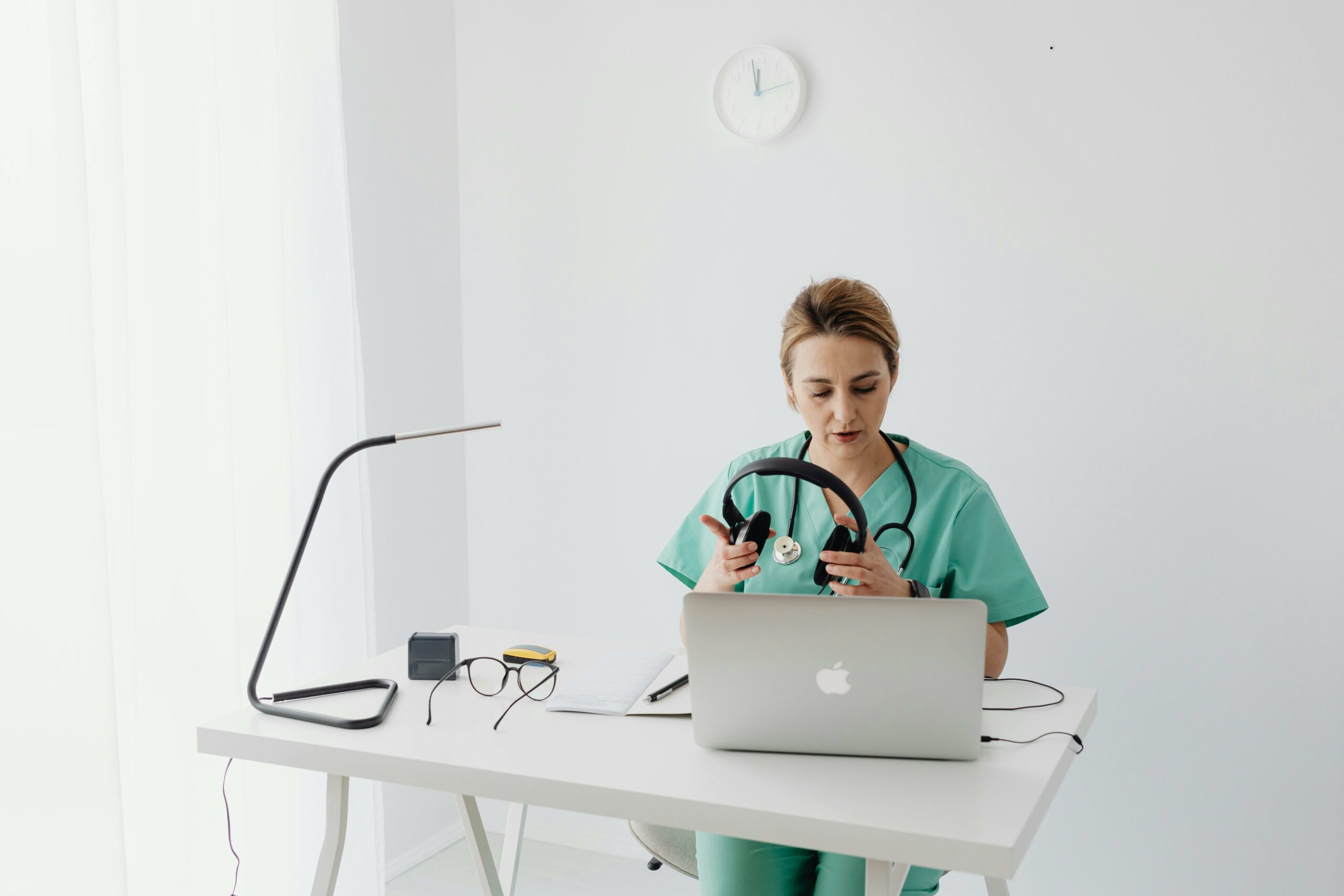
Healthcare professionals have one thing in short supply: time. Between patient care, research, and admin work, staying current with medical updates often feels out of reach.
That’s where medical association content can make the difference—especially when it’s built to fit the realities of a physician’s day.
Microlearning is one of the most effective ways to do it. Short, focused lessons deliver continuing medical education (CME) content, clinical updates, and other member resources for medical societies without demanding hours of attention. Instead of carving out half a day for a lecture, physicians can learn in minutes—during a commute, between patients, or over a coffee break.
Why Microlearning Works for Medical Professionals
For busy clinicians, traditional learning formats often feel out of reach. Microlearning works because it matches the realities of their day—short windows of time, constant demands, and the need for information that’s ready to use.
Fits into tight schedules
Most healthcare professionals say they can spare only 30–60 minutes a week for learning. A Clinical Care Options (CCO) survey of 1,186 clinicians found that few could commit more than an hour, and nearly 40% preferred sessions under 20 minutes. That makes short, targeted education essential. A five-minute video on a new cardiac protocol or a quick case-based quiz is far more practical than a long lecture.
Improves retention and real-world use
Bite-sized sessions are easier to remember—and more likely to influence clinical decisions. A daily “learning pearl” text or a three-minute podcast on updated dosing guidelines can keep information top of mind. These micro-moments reinforce knowledge without overwhelming members and make it easier to use in real patient care.
Keeps members engaged
When learning feels manageable, members are more likely to stick with it. Associations that deliver short, high-value CME modules often see higher completion rates than those relying only on hour-long webinars. That steady engagement not only improves education but also builds stronger ties between members and their societies.
Practical Ways to Deliver Microlearning
1. Simulation and Virtual Reality
Virtual patient encounters or surgical simulations let members practice skills in a safe environment. These experiences can mirror real procedures—such as laparoscopic surgery or emergency response drills—without the risks of live practice (Future Healthcare Journal).
Benefits include:
- Standardized, repeatable training experiences
- More confident performance in real scenarios
- Scalable access for members across locations
For associations, VR modules can extend far beyond live events. Offering remote access ensures that all members—not just conference attendees—gain exposure to critical skills.
2. Gamification and Interactive E-Learning
Gamified learning can turn CME from an obligation into something members look forward to.
Examples of what this can look like:
- Quick quizzes where members earn points or badges for correct answers
- Case-based games that challenge physicians to diagnose a virtual patient, then compare choices with peers
- Leaderboards that add a layer of friendly competition within a specialty group
Research shows that game-based learning doesn’t just make things fun—it helps people stay motivated and actually retain more. Some associations run trivia challenges alongside their conferences—turning downtime into learning time and keeping members engaged well after the event is over.
3. Adaptive and Personalized Learning Paths
Not every member starts at the same level. Adaptive learning systems adjust difficulty, recommend the next module, and flag gaps in real time. If a physician is struggling with diagnostic imaging, the system can serve up extra cases to practice. If they’ve already mastered the basics, it skips ahead so they don’t waste time.
Why it matters
- It saves time. Members focus only on what they need, instead of sitting through repeat content.
- It improves results. Adaptive learning has been shown to strengthen knowledge, sharpen skills, and even change how clinicians apply those skills in real practice.
- It gives you insight. Association leaders can see where members are excelling and where they’re falling behind—clear signals for what topics deserve more focus in future programming.
Turning Content Into Real Member Value
Microlearning isn’t just about shorter lessons. It’s about creating medical association content that feels useful, accessible, and worth your members’ time. When associations approach CME this way, the impact goes well beyond education.
- Recruitment – Younger physicians expect flexible, digital-first learning. Offering microlearning makes your association more attractive from day one.
- Retention – Members who feel supported in their professional growth are far more likely to stay and renew.
- Reputation – Delivering timely, evidence-based healthcare content reinforces your role as a trusted hub.
- Patient care – Better-informed clinicians bring better outcomes to the people they serve.
For medical societies, the opportunity is clear. Focused, flexible learning experiences aren’t just another CME box to check. They’re a way to strengthen your value, deepen trust, and support the work your members do every day.
FAQs: Microlearning for Medical Associations
What counts as microlearning?
Any focused content under 15 minutes—like videos, quizzes, or case summaries.
How do associations start?
Repurpose existing medical conference content into shorter, segmented lessons. A 60-minute keynote can become a series of 5-minute clips.
Does gamification really work?
What’s the role of adaptive learning?
It tailors CME to individual needs, reducing redundancy and helping physicians focus on what matters most.